Does Air Conditioning Drain an EV Battery? BYD's Heat Pump and Thermal Management in Thailand's Hot Climate
15 SEPTEMBER 2026
The short answer: air conditioning uses far less battery than most people think. In everyday driving, it reduces range by only about 5–10%. Running the A/C for one hour while parked uses roughly 1–1.5 kWh, which costs less than 10 baht when charging at home. BYD vehicles also feature a Heat Pump system and Direct Cooling for the battery, keeping the cabin cool quickly and efficiently while protecting the battery, even in Thailand's hot climate.
How much electricity does an EV air conditioner use?
The A/C uses the most power at the start, when it has to remove built-up heat from the cabin, typically around 3–5 kW. Once the cabin is cool, maintaining the temperature takes only about 1 kW. With a BYD averaging around 6–7 km per kWh, running the A/C for one hour while parked is equivalent to only about 6–10 km of range.
Real-world data from Recurrent, an EV battery analytics company, shows that at around 32°C, range drops by an average of about 5%. The loss increases in extreme heat above 35°C, or when crawling through heavy traffic for long periods, because the A/C keeps working while the car barely moves.
Why is EV air conditioning cooler and more efficient than in a petrol car?
Petrol cars use a belt-driven A/C compressor powered by the engine. At red lights or in traffic, low engine speed often means weaker cooling, and idling with the A/C on burns roughly 0.6–1 litre of fuel per hour. EVs use an electric compressor that runs at full efficiency regardless of vehicle speed, so the cabin stays consistently cool even when stationary, and there is no engine heat adding to the load.
What is BYD's Heat Pump system?
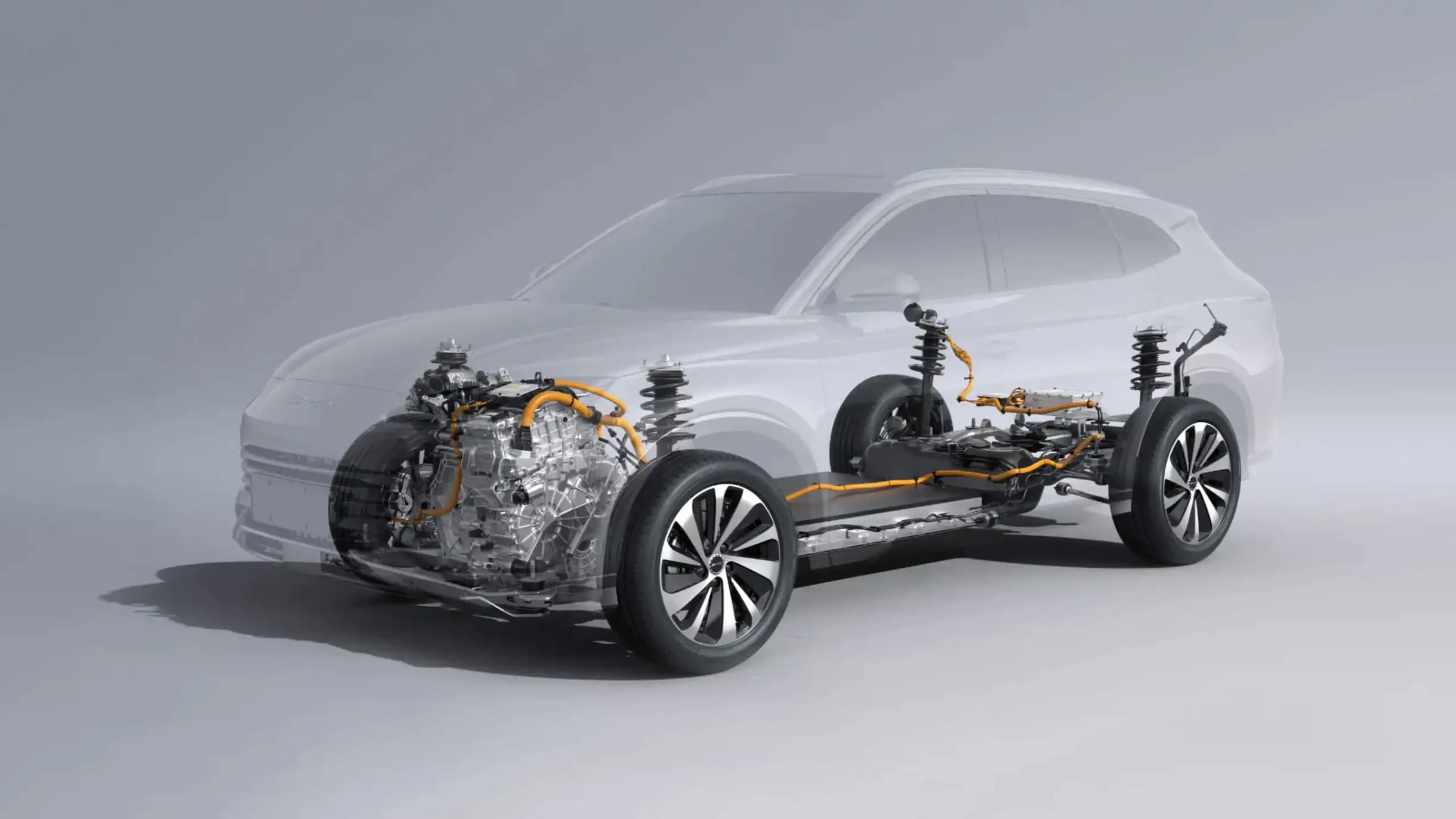
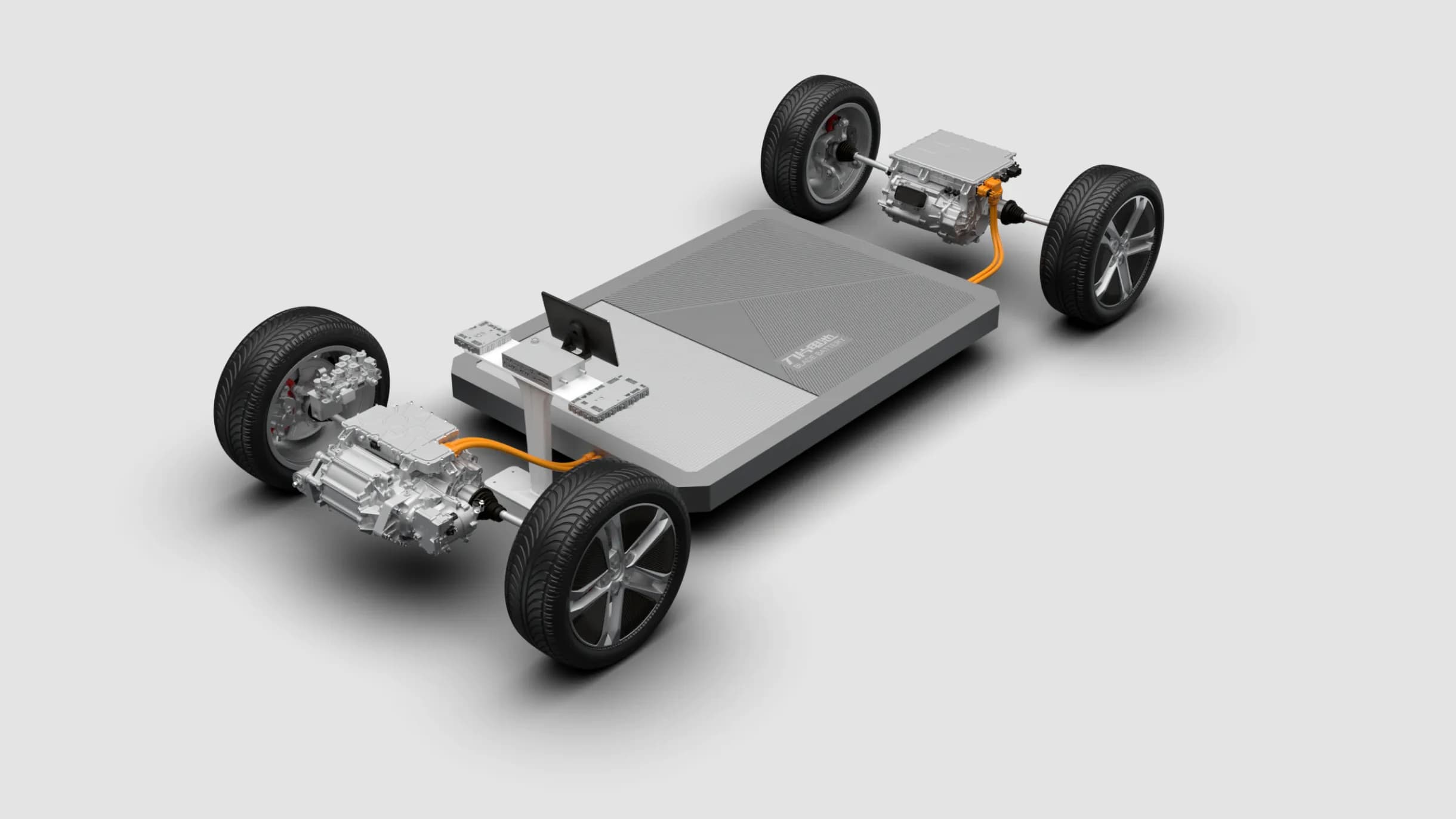
A Heat Pump "moves heat" rather than "generating heat", working much like an inverter air conditioner at home that can both cool and heat. The Heat Pump on BYD's e-Platform 3.0 operates across a wide temperature range from -30°C to 60°C and recycles residual heat from the surroundings, the powertrain, the cabin and the battery, reducing energy loss across the whole system.
In Thailand, where it is hot almost all year round, the key benefit of the Heat Pump is managing heat for the cabin, motor and battery within a single system, which is more energy efficient than running several separate cooling systems. On the newer e-Platform 3.0 Evo, BYD integrates thermal management into a single 16-in-1 module, which BYD says reduces thermal management energy consumption by around 20%.
How does the BYD battery cope with hot weather?
BYD uses Direct Cooling, sending refrigerant from the A/C system directly to cool the battery instead of using coolant as an intermediary. BYD states this improves thermal efficiency by up to around 20%. The Battery Management System (BMS) monitors temperature at all times and automatically cools the battery when needed, such as during DC fast charging or long drives on very hot days.
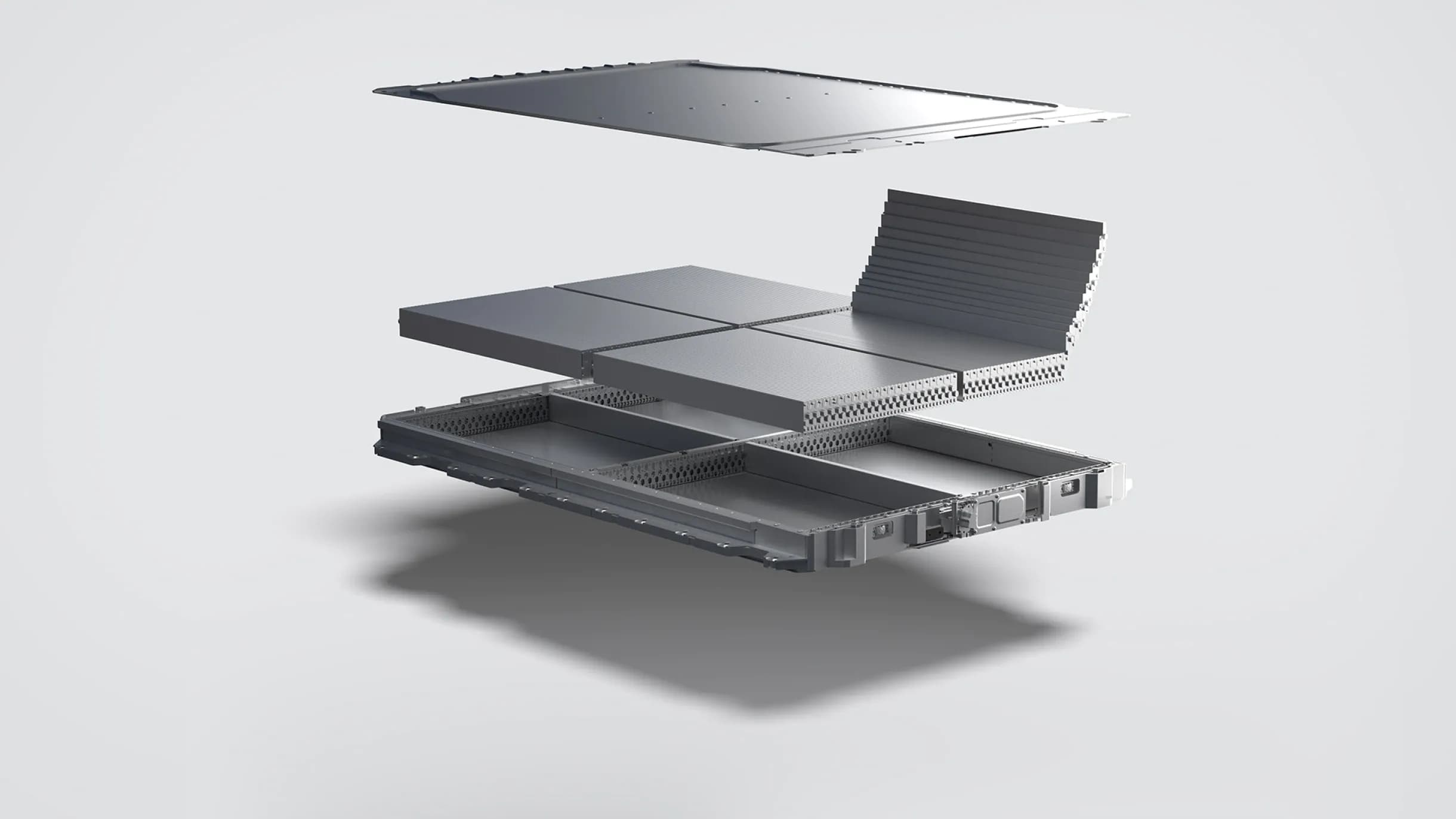
Just as important, BYD's Blade Battery uses lithium iron phosphate (LFP) chemistry, which is highly heat-stable and well suited to Thailand's climate. Learn more in our article on the Blade Battery, BYD's safest battery technology.
8 tips to cool your EV faster and save battery
1. Pre-cool the cabin with the BYD App about 5–10 minutes before you leave, so the car is already cool when you get in.
2. If the car is plugged in, pre-cool while charging so you start your trip with a fuller battery.
3. If the car has been parked in the sun, open the windows for about 30 seconds to let the hot air out before closing them and switching on the A/C.
4. Set the temperature to 25–26°C in AUTO mode instead of setting 18°C with the fan on maximum.
5. Once the cabin is cool, switch to recirculation mode so the A/C works less.
6. Use ventilated seats on models that have them to feel cooler faster without lowering the A/C temperature.
7. Park in the shade, use a sunshade and install quality heat-rejection window film to reduce heat build-up in the cabin.
8. Replace the cabin air filter and have the A/C system checked at your scheduled service so it cools at full efficiency without wasting energy.
Frequently asked questions about EV air conditioning
Can I sit in a parked EV with the A/C on for a long time? Yes. A fully electric car has no engine and no exhaust, so there is no risk of carbon monoxide as there is when idling a petrol car with the A/C on. The A/C uses about 1 kW and can run for many hours, but we recommend keeping at least 20% battery for your journey, and children or pets should never be left alone in a car under any circumstances.
Can I do the same in a DM-i plug-in hybrid? Yes, but when the battery runs low, the system may start the engine to generate electricity. Park in a well-ventilated area and never run the A/C while parked in an enclosed space, such as a garage with the door closed.
Will parking in the sun for a long time damage the battery? The BMS keeps the battery within a safe temperature range, and the Blade Battery handles heat well. Parking in the shade still helps reduce cabin heat, so the A/C has less work to do when you return.
Can I charge in hot sunshine? Yes. The system automatically cools the battery while charging. If the battery is very hot, the system may temporarily reduce charging speed to protect the battery, which is completely normal.
Which BYD models have a Heat Pump? For example, the BYD ATTO 3 comes with a Heat Pump as standard. For other models, please ask for detailed specifications at any BYD NOVA branch.
Summary
Air conditioning does not drain an EV battery as much as many people fear. In Thai driving conditions, range drops by only about 5–10%, and with BYD's Heat Pump and Direct Cooling systems, the A/C stays powerful and efficient while keeping the battery at the right temperature throughout its life.
Want to experience the cool comfort of a BYD electric car for yourself? Book a test drive at any of BYD NOVA's 4 branches: Salaya, Korat, Phetchaburi and Pranburi, or call 02-103-4444.
Sources: BYD (e-Platform 3.0 and BYD Thailand), Recurrent (data on the impact of hot weather on EV range), AAA (study on the effect of temperature on EVs).
Found the BYD model for you? Book a test drive today
The BYD NOVA team is ready to advise you and arrange a free test drive at any branch
Book Test Drive